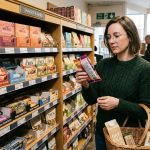
You grab a protein bar at the checkout. It is high in protein, low in sugar, and gluten-free. This choice may seem healthy, but the long and complicated ingredient list often tells a different story.
The health halo effect occurs when brands use attractive packaging and health-related language to mask the use of low-quality ingredients. As a result, shoppers consume additives that can harm their health goals.
The UK snack market is worth billions and smart marketing often distracts buyers from what’s actually in the package.
According to the Food Standards Agency, over three quarters of consumers in the UK are concerned about ultra-processed food, with growing awareness. Still, many people struggle to identify specific harmful additives.
At Parsly, we are dedicated to providing you with the finest organic products to support a healthier lifestyle.
Hidden Additives in Healthy Snacks
Here are the five hidden additives in healthy snacks that can be found:
1. Maltodextrin
Maltodextrin comes from corn or wheat starch and is used to improve texture. It has a higher glycemic index than table sugar, which can cause rapid spikes in blood sugar levels, followed by sharp crashes. This often leads to immediate cravings after eating it.
You can find maltodextrin in protein powders, rice cakes, and flavoured nuts. The NHS advises limiting foods that rapidly raise blood sugar levels, and maltodextrin is one of the sneakiest culprits.
A recent Diabetes report found that about 6.9 million UK people are at increased risk of type 2 diabetes due to high blood sugar levels. High-GI additives like maltodextrin place further strain on your body’s ability to regulate sugar, posing a particular risk for those monitoring their levels.
Buy Instead: Plain oat clusters with no added ingredients are a better choice. Rolled oats with a spoonful of nut butter provide slow-release energy without the crash.
2. Carrageenan
Carrageenan is a substance extracted from red seaweed. It is commonly used as a thickener in dairy-free milks, yoghurts, and some protein shakes. While it seems natural, it can cause problems for some people.
Nutritionists have noted that carrageenan may irritate the gut, especially in individuals with digestive issues. If you feel an upset stomach after snacks, check the ingredients for carrageenan.
Buy Instead: Opt for brands where the ingredients are just oats, milk, or almonds.
3. Sunflower Lecithin
Lecithin is an additive that helps mix fats and water so they don’t separate. You can find it in chocolate bars, nut butters, and cereal bars that are labelled as healthy options.
Sunflower lecithin is safer than the soy version, but it is still a processed ingredient. Products with Soil Association Certification have strict limits on additives, making them a better choice.
Buy Instead: A small handful of mixed seeds or raw nuts, such as almonds, pumpkin seeds, and walnuts, doesn’t need emulsifiers to stay together.
4. Artificial Sweeteners
Acesulfame K, sucralose, and aspartame are found in low-calorie snack bars, flavoured yoghurts, and diet crackers. Brands use these sweeteners to keep calories low.
However, artificial sweeteners can change the bacteria in your gut, which can impact your mood and immune system. The NHS recommends reducing the use of sweeteners when possible to maintain a balanced diet.
Buy Instead: Choose Mejdool dates, fresh fruit, or a small piece of dark chocolate with 70% cacao or more. These provide real sweetness without compromise.
5. Soy Protein Isolate
Soy protein isolate is a processed form of soy that increases the protein content in bars and shakes. Manufacturers use chemical solvents to remove almost everything from the soy bean except the protein, which makes it very different from the whole food it began as.
In contrast, seasonal British snacks like roasted chickpeas provide protein in its natural form, along with fiber and essential nutrients.
Buy Instead: Roasted chickpeas, edamame, and boiled eggs are natural and satisfying sources of protein that don’t undergo heavy processing.
How to Read UK Traffic Light Labels
UK traffic light labels show red, amber, and green to indicate levels of fat, sugar, and salt. To choose healthier options, look for green and amber labels for each portion.
Always check the serving size first to ensure accuracy. Many labels list nutritional values for a 25g portion, even though most people eat twice that amount.
| What to Look For | What to Aim For |
| Sugar per 100g | Under 5g is low |
| Salt per 100g | Under 0.3g is low |
| Saturated fat per 100g | Under 1.5g is low |
| Ingredients list length | Shorter is better |
If you find an ingredient you do not recognise, consider whether it should be part of your diet.
For a clearer understanding of each colour and what it means for your daily diet, explore this food labels guide to read nutrition labels on food packaging.
Conclusion
Reading food labels is an important step for better health. Knowing which additives to avoid makes it easier to choose healthy snacks. Start with small changes and let the ingredient list guide your purchases, not the packaging.Not sure where to start? Contact us at Parsly, and we will point you in the right direction.